
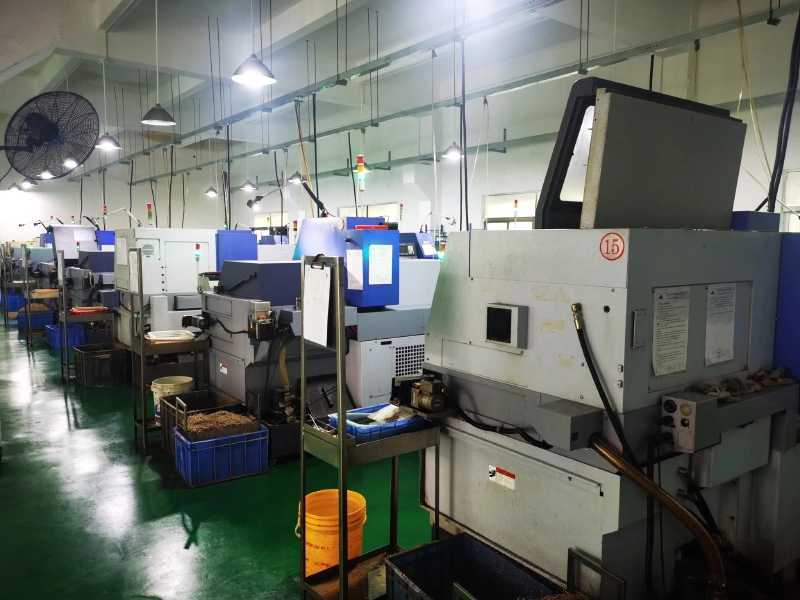
GLOBIX, operated by Changsha Globix Technology Co., Ltd., was founded in 2024 and is headquartered in Changsha, China. We provide precision connector and cable assembly solutions for global customers who need stable, buildable, and application-specific interconnect systems.
Our product scope covers push-pull connectors, waterproof connectors, circular connectors, RF and coaxial connectors, hybrid and mixed-contact connectors, plastic connectors, connector accessories, and customized cable assemblies. These solutions are used in medical devices, industrial automation, sensors, machine vision, test and measurement equipment, robotics, outdoor electronics, and compact electronic systems.
Instead of only supplying standard connector parts, GLOBIX supports customers through the full selection process: identifying mating compatibility, confirming pin count and contact layout, reviewing cable structure, checking shielding or waterproofing requirements, preparing samples, and supporting production delivery.
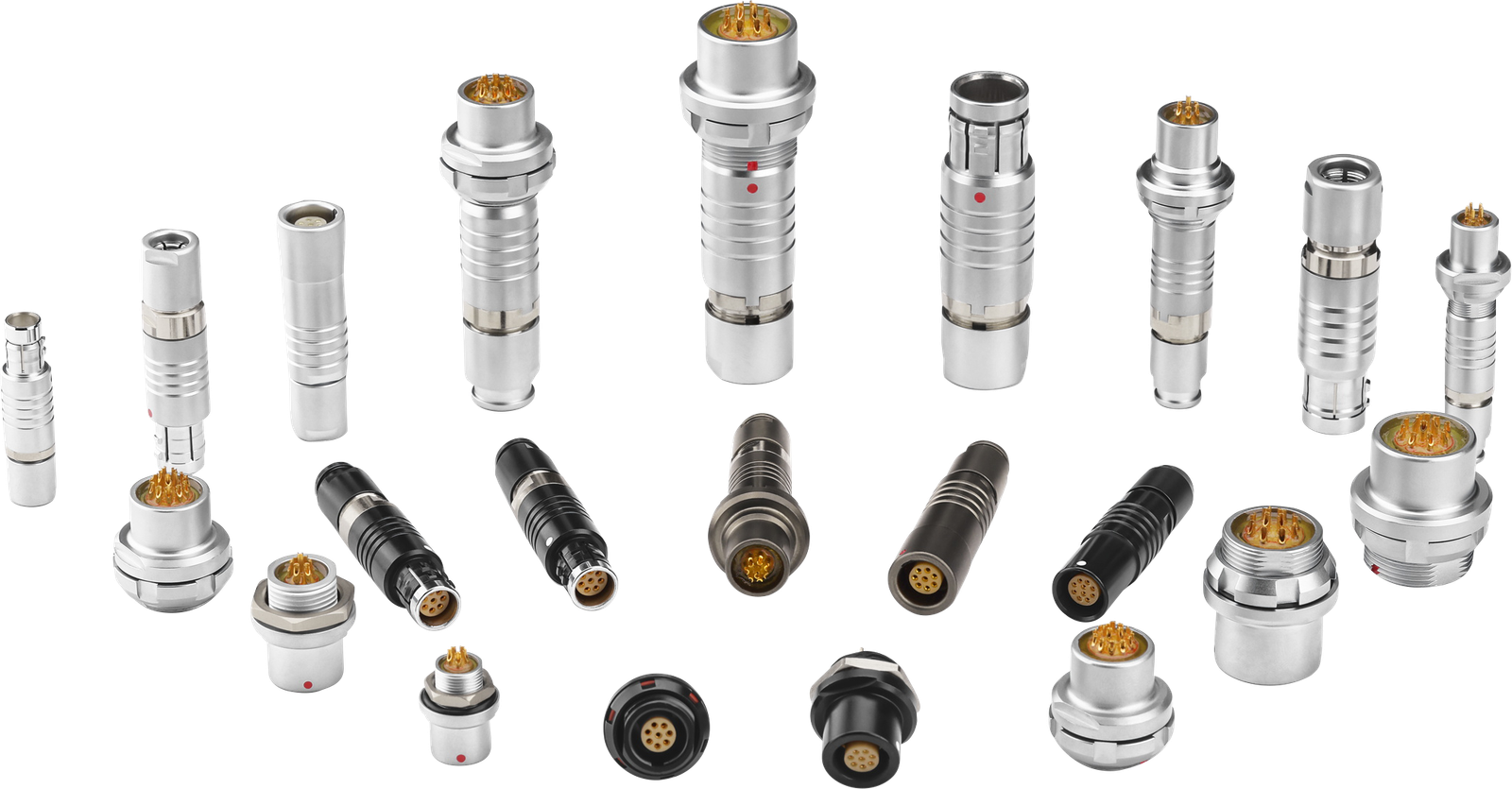
Self-latching connector solutions designed for quick mating, secure locking, and compact equipment integration.
View Push-Pull Connectors
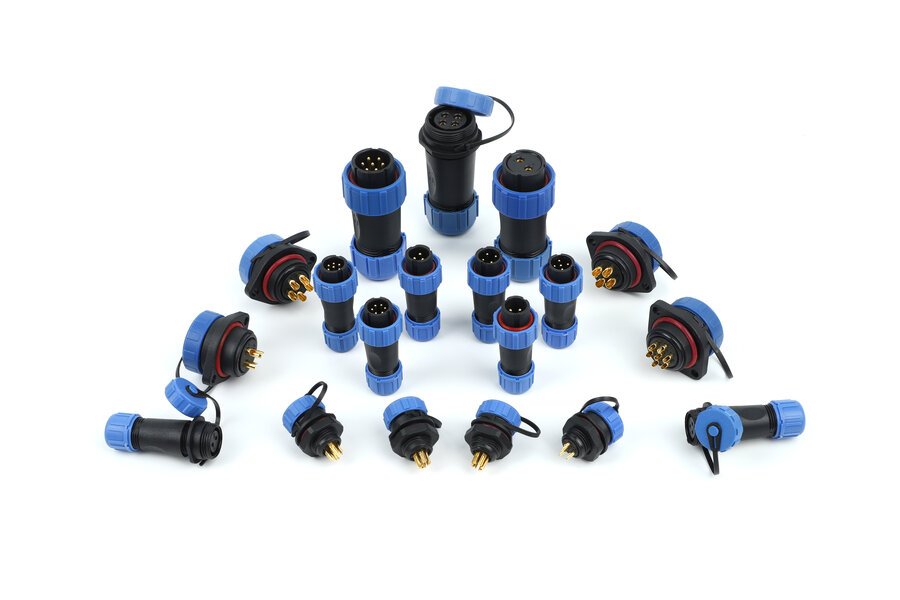
View Waterproof Connectors
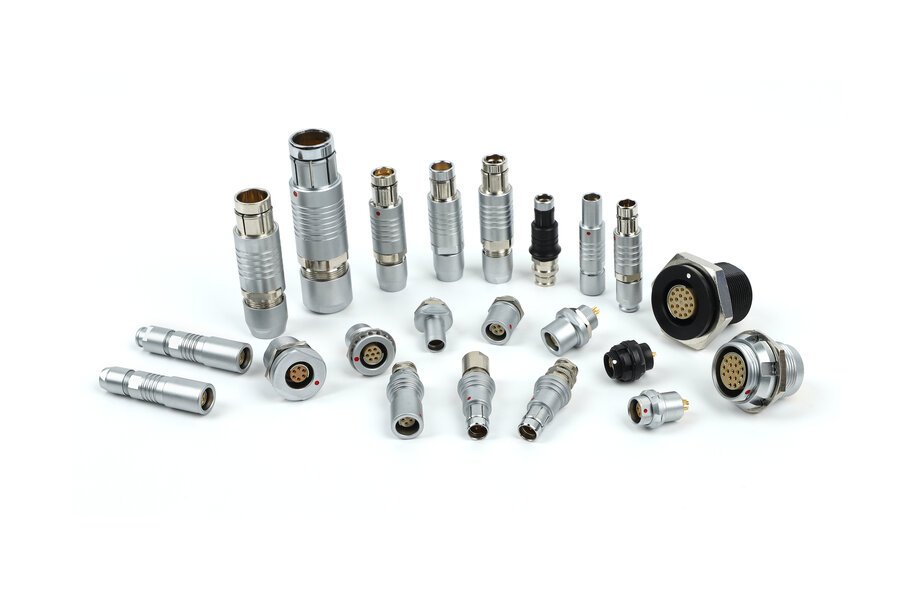
View Circular Connectors
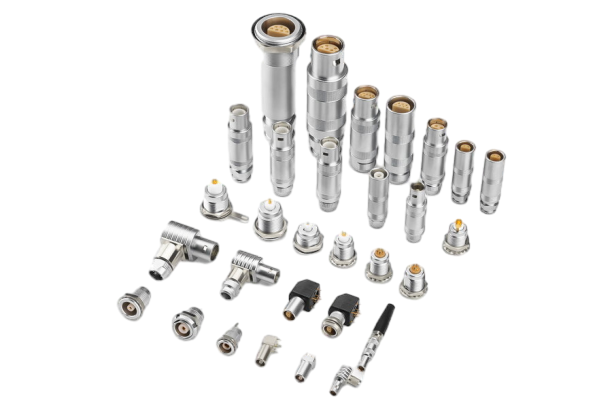
View Coaxial & RF Connectors
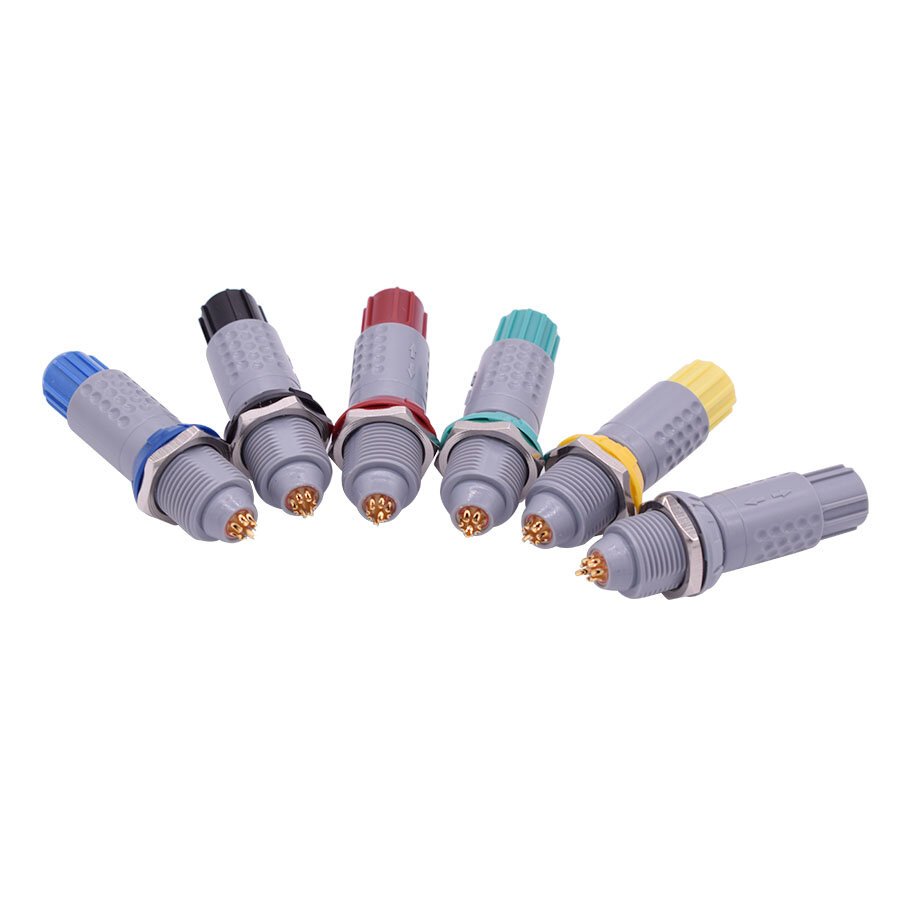
View Plastic Connectors
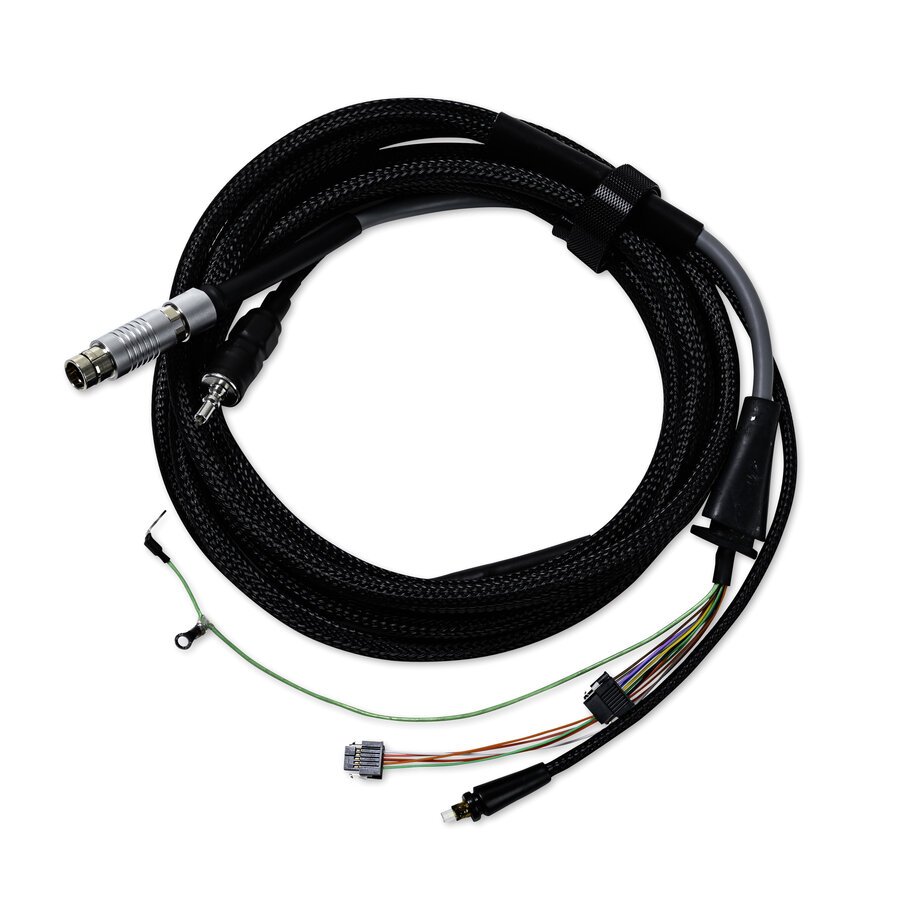
View Cable Assemblies
Send us your connector photo, drawing, pin count, cable core count, application field, and operating environment.
Connector shells, contacts, insulators, sealing parts, cable materials, and accessories are checked before assembly.
Critical dimensions, surface finish, contact condition, molding appearance, cable marking, and assembly cleanliness are reviewed.
Continuity, insulation resistance, contact assignment, short-circuit check, and wiring correctness are tested according to project requirements.
Connector mating fit, push-pull locking, threaded locking, keying direction, insertion feel, and unmating operation are checked.
For shielded, coaxial, RF, and hybrid assemblies, shield termination and grounding path are reviewed as part of the assembly process.
For waterproof products, sealing structure, cable-side sealing, protective caps, and assembly condition are checked according to application requirements.
Finished products are reviewed before packing, including appearance, labeling, quantity, packaging method, and shipment information.
Send us your connector photos, pin count, cable requirements, or application details. Our team will help review suitable options for your project.